Hillside Locksmith Service Team
Local locksmith team
Aug 20, 2026 11 min read
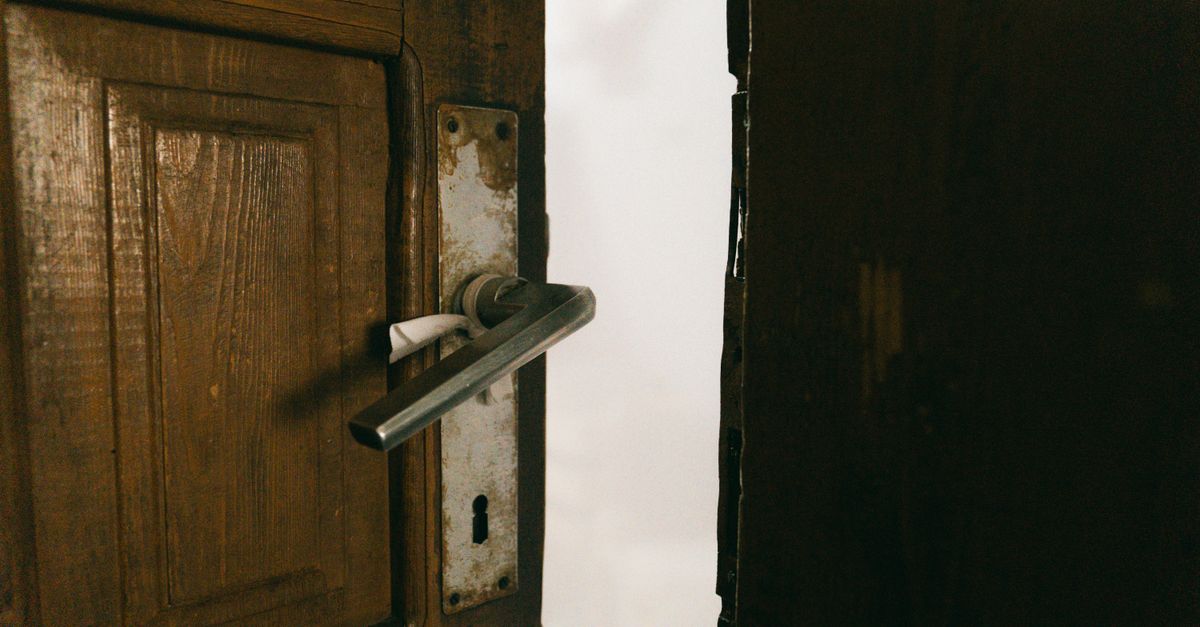
If you've ever moved into a pre-war co-op in Jackson Heights, inherited a brownstone on a quiet block in Ridgewood, or rented a floor-through in one of Astoria's century-old row houses, you've almost certainly encountered the hardware that defines Queens residential security: the mortise lock. It sits flush in the door edge, usually topped by a brass or chrome trim plate, and it operates with a satisfying, weighty click that a standard knob-and-deadbolt combo simply can't replicate. For a lot of Queens residents, it's just 'the old lock on the door' — but understanding what it actually is, how it works, and what to do when it needs service can save you time, money, and a very stressful night on the stoop.
This guide breaks down everything a Queens homeowner or renter should know about mortise locks: the anatomy, the history, why your building probably has one, and when to call a professional locksmith to repair, rekey, or replace it. We'll also cover what factors go into pricing and how to handle the most common issues that come up with aging hardware in older New York City housing stock.
## What Is a Mortise Lock — And How Does It Actually Work?
A mortise lock is a complete locking mechanism housed inside a rectangular pocket — called a mortise — that is cut directly into the body of the door. Unlike a standard cylindrical lock, where the hardware sits in a round bored hole, a mortise lock set integrates multiple functions into one metal case: a latch bolt (the spring-loaded tongue that catches when you pull the door shut), a deadbolt (the square bolt you throw manually for security), and often a privacy or passage function, all operated by a single trim assembly. The result is a door that locks at multiple points from a single unit, without needing a separate deadbolt installed above it.
The mortise lock cylinder — the round plug into which you insert your key — sits in the face of the lock body and can usually be replaced independently of the entire unit, which is a major practical advantage. Premium manufacturers like Corbin Russwin and Baldwin have been producing these mechanisms since the late 1800s and early 1900s, and their commercial-grade mortise lock hardware was the standard specification for New York City apartment buildings and institutional construction throughout much of the 20th century. A Corbin Russwin mortise lock installed in a Forest Hills co-op in 1948 might still be in service today — and with the right locksmith care, it should be.
## Why Queens Buildings Are Full of Mortise Locks
Queens is one of the most architecturally layered boroughs in New York City. Walk down almost any side street in Woodside, Elmhurst, or Kew Gardens and you'll find attached row houses and two-family homes built between roughly 1910 and 1960 — all constructed under building codes and specifications that called for mortise lock sets on every exterior door. The same is true of the large pre-war co-op buildings along Queens Boulevard and in neighborhoods like Forest Hills Gardens, where door hardware was specified in bulk by developers who needed durable, multi-function locks that could withstand decades of daily tenant use.
Because these buildings were engineered around the mortise format, switching to a modern cylindrical deadbolt and door knob with lock and key often isn't practical without significant door modification — and in a co-op or landmarked building, that modification may not even be permitted. So the mortise lock stays. The upside is that these mechanisms, when properly maintained, offer excellent security and longevity. The challenge is that they require a locksmith who actually knows how to service them — not every technician carries the right parts or has experience with the internal gearing of a 70-year-old unit. If your door has one and it's acting up, call (347) 212-1257 and our team will assess it on the spot.
## Common Mortise Lock Problems in Older Queens Homes
The most frequent issues we see on service calls across Queens — from a stiff latch on a Jamaica row house to a spinning cylinder in a Sunnyside co-op — fall into a few predictable categories. First, the latch bolt stops retracting smoothly, usually because decades of paint overspray, humidity swelling, or worn internal springs have degraded the mechanism. Second, the mortise lock cylinder becomes loose, wobbles, or stops turning cleanly — sometimes because the set screw that anchors it has backed out, sometimes because the cylinder itself is worn beyond rekeying. Third, the entire lock body shifts inside the mortise pocket, which can happen when the retaining screws loosen over years of use, causing misalignment with the strike plate on the door frame.
Each of these problems has a specific repair path. A loose or failing cylinder can often be replaced without touching the rest of the lock body — a relatively straightforward job for an experienced locksmith Queens residents can count on. A worn internal mechanism may require sourcing replacement components, which is where familiarity with legacy brands like Corbin Russwin and Baldwin becomes important. For a mortise lock set exterior door situation — meaning the main entry to a home or building — we always treat the repair as a priority call, because a malfunctioning front door lock is both a security risk and a potential lockout waiting to happen. If you're already locked out, do not attempt to force the door; call us first and let a professional handle it safely and without damage.
## Repair, Rekey, or Replace? How a Locksmith Evaluates Your Mortise Lock
When a locksmith arrives to assess a mortise lock, the decision tree is more nuanced than it would be for a standard cylindrical lock. The first question is always condition: is the internal mechanism still functional, or are critical components broken or seized? If the lock body is sound, rekeying the mortise lock cylinder is often the most practical move — new pins are set to work with a fresh key, the old keys are rendered useless, and the rest of the hardware stays exactly as it is. This is especially common when a Queens co-op changes tenants or when someone moves into a resale unit and wants assurance that no prior keyholders can re-enter.
If the cylinder itself is cracked, corroded, or the wrong size for a replacement part, the locksmith will recommend a cylinder swap — swapping in a matching new cylinder that fits the existing mortise body. Full lock replacement becomes the recommendation when the internal mechanism is worn past reliable function, or when an owner wants to upgrade to a higher-security mortise lock set, such as a current Baldwin mortise lock with a pick-resistant cylinder. The factors that shape the final cost of any of this work include the specific lock model, the availability of matching parts, whether the work is happening during standard hours or as an after-hours emergency locksmith call, and travel distance within Queens. We always confirm an exact up-front price before any work begins — no surprises on the bill.
## Our Locksmith Services Across Queens — More Than Just Mortise Locks
Hillside Locksmith is a fully mobile, 24/7 operation serving all of Queens — from Bayside and Whitestone in the north to Howard Beach and the Rockaways in the south, and every neighborhood in between, including Jamaica, Flushing, Long Island City, Ridgewood, Maspeth, and Middle Village. Our team handles the full range of residential, commercial locksmith, and automotive locksmith work that Queens residents actually need. Here is a representative look at the specific services we provide: 1. Mortise lock repair and servicing 2. Mortise lock cylinder replacement and rekeying 3. Full mortise lock set replacement (interior and exterior doors) 4. Residential lockout response — apartment, house, and co-op entry 5. Emergency locksmith response — available around the clock, including weekends and holidays 6. Deadbolt installation and upgrade 7. Door knob lock installation and replacement 8. High-security cylinder upgrades (pick-resistant, bump-resistant) 9. Master key system design and installation 10. Building rekeying — full apartment building or multi-unit property 11. Lock change after tenant turnover or break-in 12. Gate lock and iron door lock service 13. Mailbox lock replacement 14. Padlock installation and cutting 15. Commercial locksmith services — office, retail, and storefront 16. Panic bar and push-bar (exit device) installation and repair 17. Access control system installation 18. Door closer adjustment and replacement 19. Car lockout service — all makes and models 20. Automotive locksmith key cutting and duplication 21. Transponder key programming 22. Key fob programming and replacement 23. Broken key extraction — door locks and ignitions 24. Ignition lock repair and replacement 25. Safe opening, combination change, and lockout service 26. Window lock and sliding door lock service 27. Lock lubrication and preventive maintenance service Whether you need same-day help on a single cylinder or a full building rekey, our mobile units are stocked and ready. Call (347) 212-1257 any time — we answer 24/7 and can typically reach most Queens locations faster than you'd expect.
## Get More Information and Prices From Our Experts
Every mortise lock situation is a little different — the age of the hardware, the specific brand, the condition of the door itself, and whether you need a quick repair or a full upgrade all factor into what the right approach looks like. That's why the most useful thing we can do is come out, look at the lock in person, and give you a clear, specific recommendation with an exact price before we touch anything. There are no service call fees buried in the fine print and no pressure to approve work you're not comfortable with.
If you have questions before booking — about whether your lock can be rekeyed, whether a particular cylinder is still available, or what the process looks like for a co-op door — our team is happy to talk it through on the phone as well. Reach us directly at (347) 212-1257. We're a local Queens operation, we know this borough's housing stock, and we carry parts for legacy hardware that a lot of general locksmiths don't stock. Whether your concern is a grinding latch on a Jamaica row house or a cylinder that won't turn on a Flushing co-op entrance, we're the right call.
Frequently asked questions
Queens Locksmith FAQs: Do you offer 24/7 emergency locksmith services in Queens?+
Yes — Hillside Locksmith operates around the clock, every day of the year, including holidays. Whether you're locked out of your Astoria apartment at 2 a.m. or you've come home to a malfunctioning mortise lock at midnight in Kew Gardens, we dispatch immediately. There is no separate after-hours call line — just one number: (347) 212-1257. The factors that affect the cost of an emergency locksmith call include the time of day, the type of lock or vehicle involved, the parts needed, and your location within Queens. We confirm the exact price with you before any work begins.
How fast can a locksmith arrive at my location in Queens, NY?+
Response time depends on your specific location within Queens and current traffic — anyone who gives you a guaranteed minute-count without knowing both is not being straight with you. What we can tell you is that our team is mobile and staged throughout the borough, so we are not driving in from another county. Neighborhoods with straightforward access — like Jackson Heights, Woodside, or Long Island City — tend to see faster arrivals than more geographically spread areas like the Rockaways. Call (347) 212-1257 and we'll give you an honest estimated arrival window based on where you actually are.
Do you provide automotive locksmith and car lockout services in Queens?+
We do. Our automotive locksmith services cover car lockouts, broken key extraction from ignitions and door locks, transponder key cutting and programming, key fob programming, and ignition lock repair. We work on all standard makes and models — domestic and foreign — and our mobile units carry the programming equipment needed for most modern vehicles. If you're stranded in a Queens parking lot or locked out in your building's garage, call (347) 212-1257 and we'll get you back on the road.
What locks can locksmiths not open, and how is pricing determined for locksmith work in NYC?+
A trained locksmith can open the overwhelming majority of locks used in residential and commercial settings — including mortise locks, deadbolts, high-security cylinders, padlocks, and most automotive locks. There are very few lock types that present a true barrier to an experienced professional with the right tools. As for pricing: in New York City, what you pay for locksmith work depends on several factors — the type of lock or vehicle, the complexity of the job, whether it's a standard appointment or an emergency locksmith call, the time of day, any parts that need to be sourced, and your location. We never quote a one-size-fits-all rate because the work genuinely varies. What we always do is confirm an exact, up-front price before starting — so you know what you're agreeing to before we touch anything.