Why Rekeying Your Home Locks Is the Right Move After a Life Change
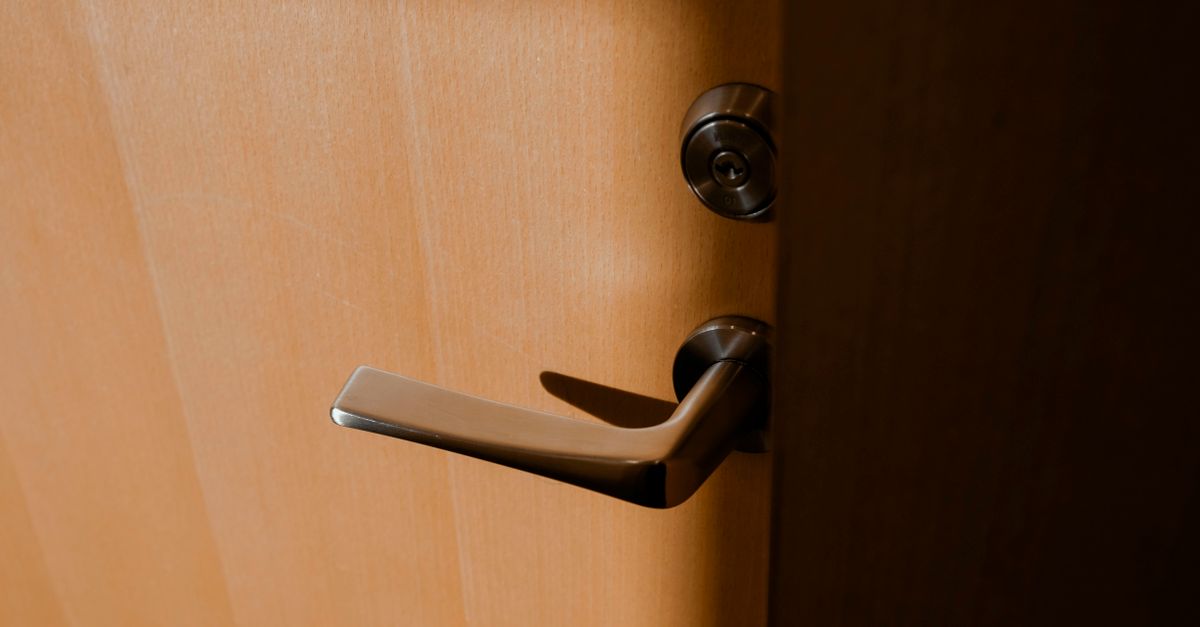
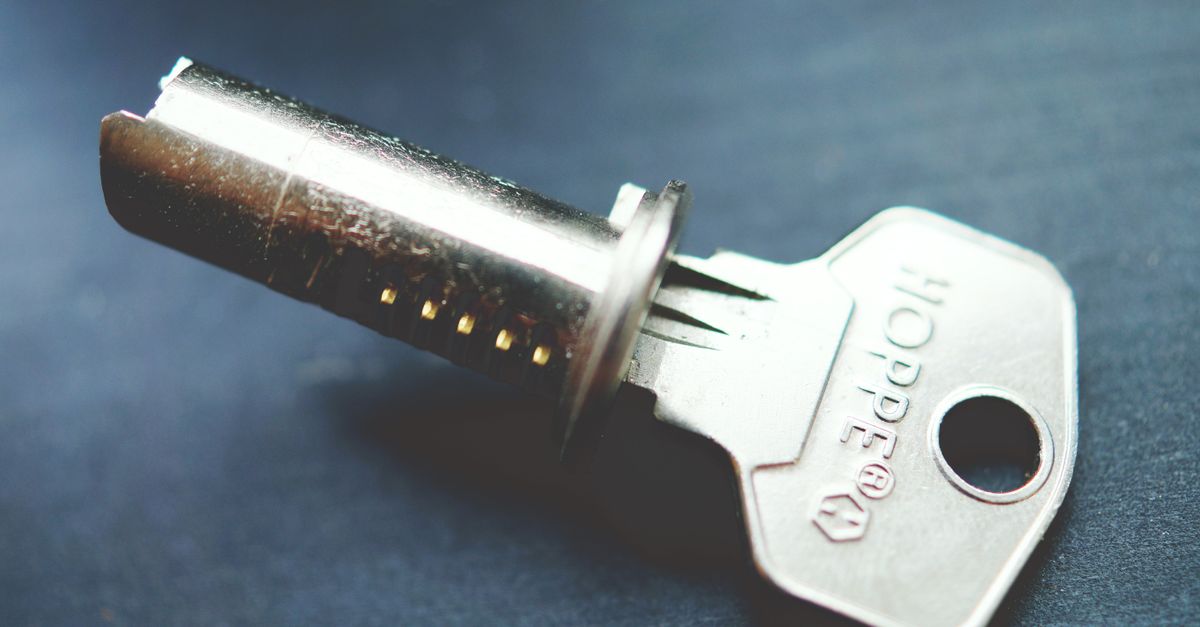
Rekeying is not the same as replacing a lock. When a skilled locksmith rekeys a lock, the internal pin tumbler or wafer configuration inside the cylinder is physically changed so that only a new, freshly cut key will operate it. Your existing hardware — the mortise lock body, the strike plate, the door knob lock trim — stays exactly where it is. This matters enormously in Queens, where older housing stock in neighborhoods like Richmond Hill and Woodside often features long-installed mortise lock systems that are expensive to replace outright but work perfectly well once rekeyed. Rekeying is precise, non-invasive, and can typically be completed in a single visit with parts our technicians carry on their mobile service vehicles.
The three most common triggers our team responds to across Queens are post-move rekeying, post-breakup rekeying, and lost-key rekeying. After a move, you have no way of knowing how many copies of the old key the previous tenant, their family members, or their friends may have made. After a breakup or the departure of a roommate, an old key in someone else's pocket is an unresolved vulnerability. After a key goes missing — lost on the subway, left at a bar near Astoria Park, dropped somewhere on Queens Boulevard — the only way to truly close that security gap is to change what the key does, not just hope the key stays lost. In every one of these cases, rekeying is the fastest, cleanest solution.