What a Mortise Lock Is and Why Commercial Properties Rely on It
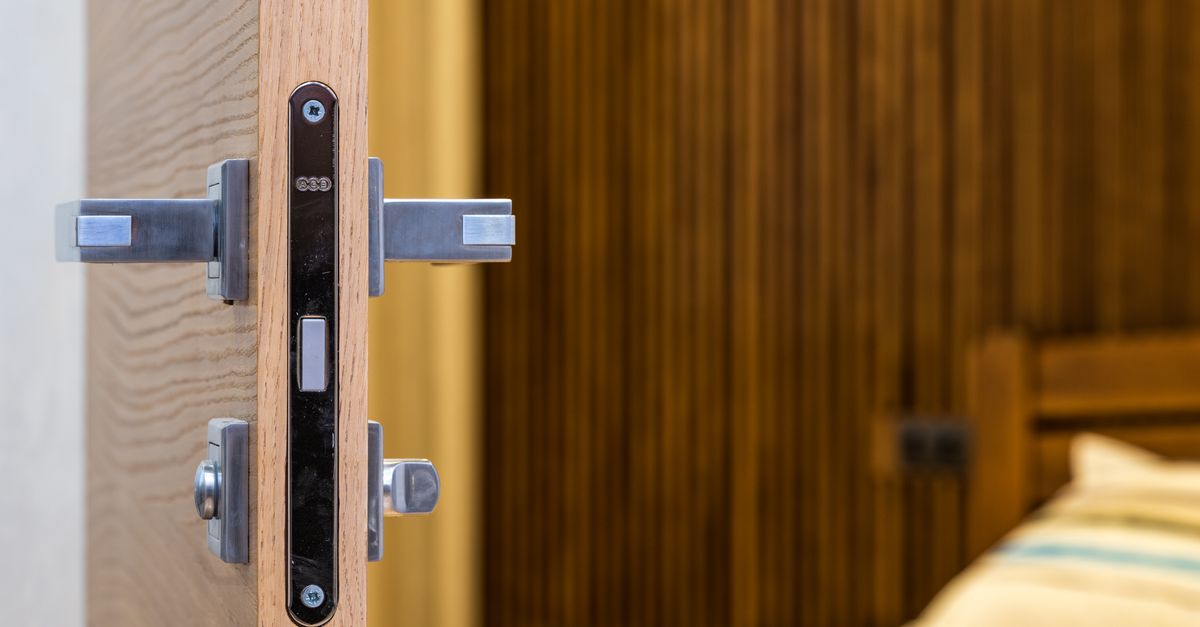
A mortise lock gets its name from the mortise — the rectangular pocket routed into the door stave to receive the lock body. Unlike a cylindrical bored lock, which sits in a shallow hole and fastens with two small screws, a commercial mortise lock set houses an entire mechanism inside the door itself: a spring-driven latch for everyday passage, an independently operated deadbolt for security, and in heavy-duty grades, an anti-thrust bolt that resists jimmying. The door knob lock or lever trim on the outside is merely the handle; the real work happens inside that steel case. This construction is why architects specify mortise hardware for high-traffic commercial doors in the first place — the load is distributed through the door stave rather than concentrated at two screw points.
What catches building owners off guard is how many moving parts are actually involved in one mortise lock set. There is the case itself, the cylinder (or two cylinders for double-keyed applications), the trim — lever, knob, or pull — the strike plate, the reinforced box strike, and on newer installations possibly an electric mortise lock solenoid and wiring harness. Brands like Corbin Russwin and Baldwin manufacture components to strict grade standards, but even quality hardware eventually needs adjustment, re-keying, or full replacement on a busy Queens commercial door that sees hundreds of openings every day.